The restaurants winning in 2026 run one connected platform where online ordering, EPOS, loyalty, table bookings, marketing and analytics share the same data, instead of separate tools. Most online ordering systems stop at taking the order, so restaurants fill the gaps with tools that never talk to each other, losing time, money and customers. A connected system lets every order build customer data, keeps loyalty consistent across channels and keeps service running even when the connection drops.
Key takeaways
- Most online ordering systems take the order and step back, without talking to your EPOS, kitchen display, loyalty programme, bookings or marketing.
- Disconnected tools cause real problems, such as regulars receiving generic welcome-back offers or table orders never reaching the kitchen.
- Offline mode for the EPOS is one of the most requested features in 2026, keeping orders, tickets and payments running when the connection drops.
- Loyalty built into the ordering flow means points earned at the table can be redeemed online and are visible everywhere.
- Analytics should show sales, products and customers in one place, not in three separate dashboards that disagree with each other.
- Order Tiger connects its EPOS to online orders, the waitress app and the kitchen, with loyalty, bookings, marketing and analytics in one ecosystem.
Online ordering changed the restaurant industry.
It gave restaurants a direct channel to their customers.
It cut out the middleman.
It made delivery and pick-up scalable without a phone ringing every five minutes.
For a while, that was the whole conversation.
Get your restaurant online. Take direct orders. Reduce commission.
But something has shifted.
And the restaurants that are growing fastest right now are not just the ones with the best online ordering setup.
They are the ones that figured out what comes next.
The Limitation Nobody Talks About
Most online ordering systems do one thing well.
They take the order.
But the moment the order is placed, they step back.
They don't know what happens at the table.
They don't talk to your EPOS.
They don't feed your loyalty programme.
They don't connect to your kitchen display, your booking system, or your marketing campaigns.
The order arrives. Everything else is someone else's problem.
So restaurants fill the gaps.
A booking system from one provider.
A loyalty app from another.
An EPOS that doesn't know about online orders.
A marketing platform working from an exported spreadsheet.
Each tool does its job.
But they don't know about each other.
And that gap — between all these systems that were never designed to work together — is where restaurants lose time, money, and customers every single day.
What Happens When Systems Don't Talk
It shows up in small ways at first.
A loyal customer who orders online every week gets a generic welcome-back offer because the marketing platform doesn't know they're already a regular.
A waiter takes a table order that never reaches the kitchen because the EPOS isn't connected to the kitchen display.
A busy Friday service grinds to a halt because the connection drops and the EPOS goes offline.
A customer books a table two months ahead for their anniversary, but the confirmation never arrives because someone had to manually check the dashboard and missed it.
None of these are catastrophic on their own.
But together, they represent a restaurant operating below what it's capable of.
The Shift From Tool to Partner
The restaurants raising their game in 2026 are not looking for another tool.
They are looking for a system where everything connects.
Where the EPOS talks to the online ordering platform.
Where loyalty points earned in-store are the same ones earned on the app.
Where a table booking confirmed on the floor feeds into the same customer profile as their last three delivery orders.
Where marketing campaigns are built from real order data — not guesswork.
This is what hospitality tech has to become.
Not a collection of best-in-class tools that each solve one problem.
A connected ecosystem where every part of the operation feeds into the same picture.
When that happens, everything compounds.
Every order builds customer data.
Every customer interaction sharpens your marketing.
Every booking, every loyalty redemption, every campaign — part of one system, working together.
The Features That Only Make Sense When Everything Is Connected
Offline mode for your EPOS — one of the most requested features in 2026. Because a connected system is only valuable if it keeps running when the connection drops. Orders in, tickets firing, payments processing — regardless of what the router is doing.
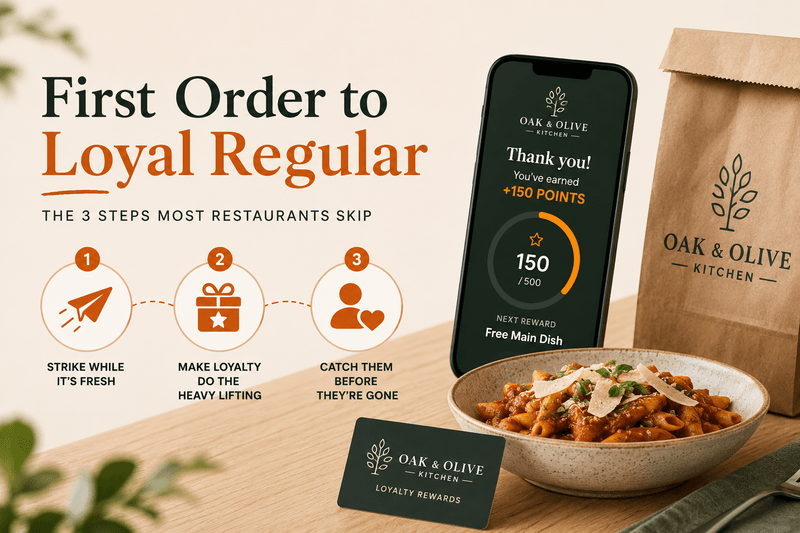
Loyalty built into the ordering flow — not a separate app. Points earned at the table, redeemed online, visible everywhere.
Marketing driven by real behaviour — which dishes a customer orders, how often they visit, when they last came in. Campaigns that feel personal because they are.
Table bookings managed from the floor — confirmed in real time, from any device, with auto-accept so nothing slips during a busy service.
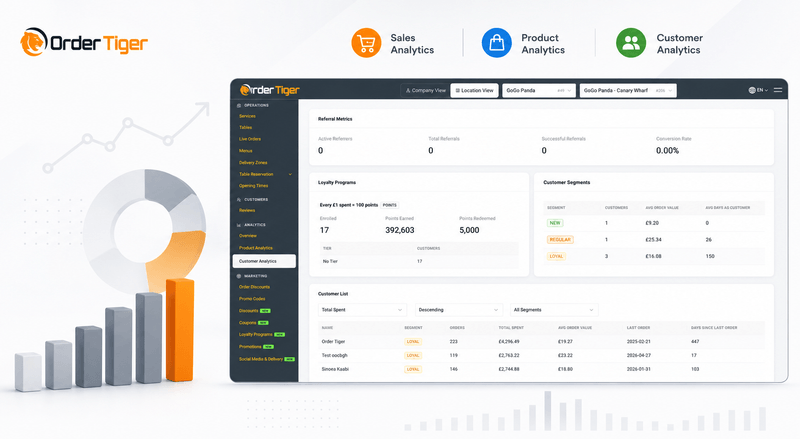
Analytics that show the full picture — sales, products, and customers in one place. Not three separate dashboards that don't agree with each other.
None of these features are revolutionary on their own.
What makes them powerful is that they are all part of the same system.
The Direction the Industry Is Moving
The platforms that will define hospitality tech over the next five years are not the ones with the best single feature.
They are the ones that bring it all together.
Because the real competitive advantage for a restaurant is not having a great EPOS.
Or a great loyalty programme.
Or a great online ordering system.
It is having all of them connected — so the data flows, the experience is consistent, and the team can focus on hospitality instead of managing software.
That is the shift happening right now.
And the restaurants moving in that direction early are the ones that will be hardest to compete with.
This Is Exactly What We've Been Building at Order Tiger
We started as an online ordering system.
Over time, we started noticing a pattern in the restaurants we worked with. They were using Order Tiger for online ordering — but running their loyalty programme on a separate platform, their EPOS from another provider, their table bookings through a different tool, and their marketing from something else entirely. Everything working, but nothing connected. That's when it became clear that the real opportunity wasn't just better ordering. It was bringing the whole thing together.
So we kept building.
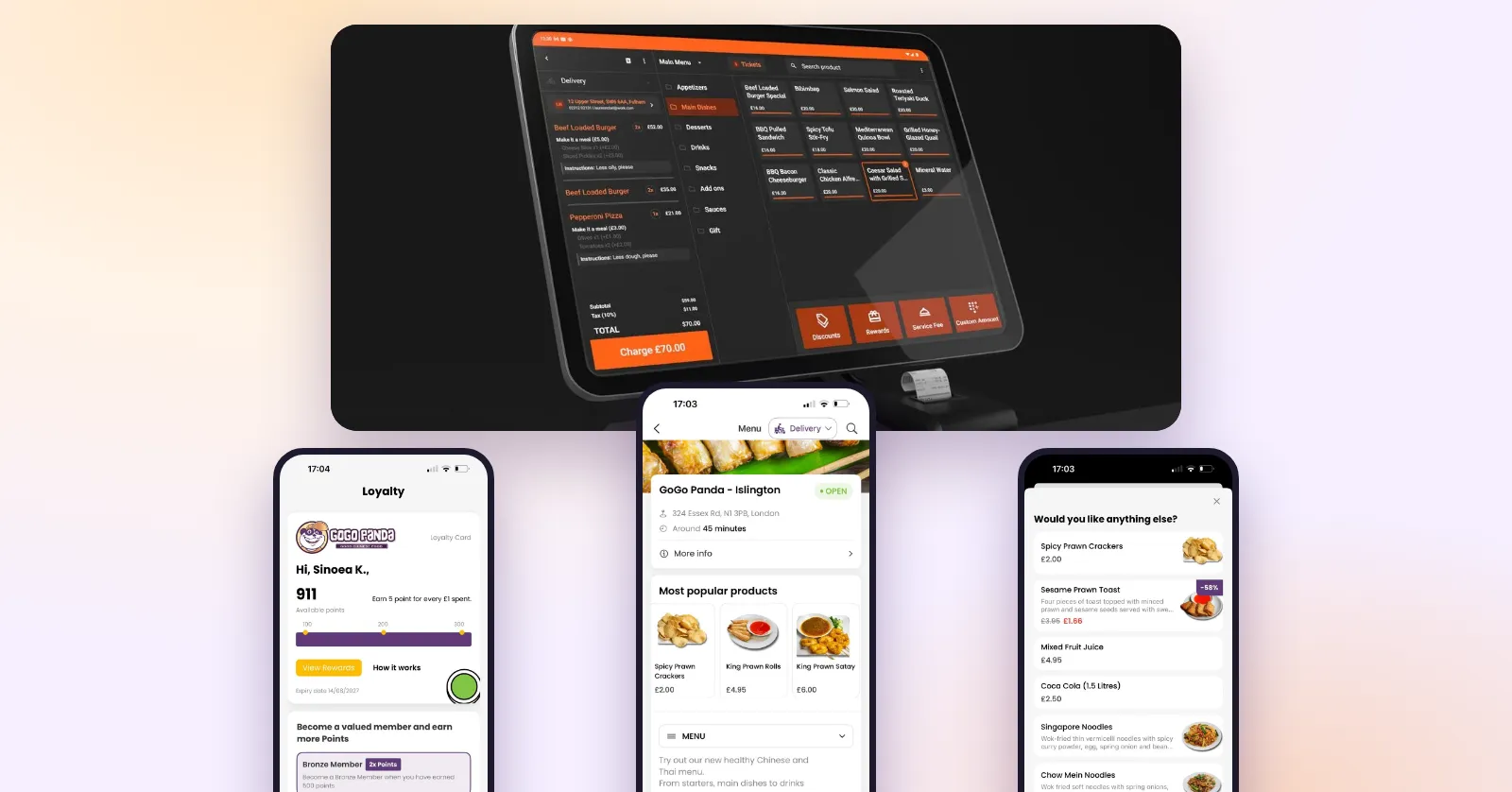
EPOS connected to online orders, the waitress app, and the kitchen.
Loyalty, bookings, marketing, analytics — all in the same ecosystem.
And now offline mode, so the system runs even when the connection doesn't.
Not five tools that almost work together.
One platform built to run the whole operation.
If that's the direction you're heading, we'd love to show you what it looks like.
Frequently asked questions
Is online ordering enough for a restaurant in 2026?
Online ordering is still essential because it gives restaurants a direct channel to customers and cuts out the middleman, but on its own it is no longer enough. The fastest-growing restaurants connect ordering with EPOS, loyalty, bookings, kitchen display and marketing, so every part of the operation feeds the same picture of each customer.
What goes wrong when restaurant systems are not connected?
Small failures add up. A weekly online regular gets a generic welcome-back offer because the marketing platform does not know them. A waiter’s table order never reaches the kitchen because the EPOS is not linked to the kitchen display. A booking confirmation is missed because someone had to check a dashboard manually. Together, these keep a restaurant below its potential.
Why does offline mode matter for a restaurant EPOS?
A connected system is only valuable if it keeps working when the internet fails. Without offline mode, a busy Friday service can grind to a halt when the EPOS goes offline. With it, orders keep coming in, tickets keep firing and payments keep processing regardless of the router, which is why it is one of the most requested features in 2026.
Which features only work well in an all-in-one restaurant system?
Several features only make sense when everything is connected: offline mode for the EPOS, loyalty built into the ordering flow, marketing driven by real customer behaviour, table bookings confirmed in real time with auto-accept and analytics covering sales, products and customers in one place. None is revolutionary alone; their power comes from sharing one system.
How does Order Tiger connect a restaurant’s whole operation?
Order Tiger started as an online ordering system and kept building. Its EPOS connects to online orders, the waitress app and the kitchen, while loyalty, bookings, marketing and analytics sit in the same ecosystem. Offline mode keeps the system running even when the connection does not. You can book a free demo to see how it works.