Restaurant upselling means encouraging customers to choose a higher-value option, upgrade their order or add complementary items, and it works best when staff and digital upsells combine. Traditional upselling relied on waiters, dessert carts and menu design, but it was hard to scale or measure. Digital ordering builds upsells into the customer journey, and checkout upsells consistently deliver the strongest results. Product data then shows which items and combinations perform best, so every suggestion can be tested, measured and improved.
Key takeaways
- Upselling raises average order value and revenue without acquiring new customers, and when done right it improves the dining experience rather than interrupting it.
- Traditional upselling depended on staff training, was difficult to scale across locations and was hard to track or measure.
- The most effective digital upsells are featured products in digital menus, contextual add-ons during ordering and one-click additions at checkout.
- Checkout upsells consistently deliver the strongest results, because customers who are ready to pay respond well to a small, well-placed suggestion.
- Product performance data shows which items earn the most, which upsell combinations work best and where customers skip suggestions.
- McDonald’s and Domino’s guide customers to upgrades and add-ons through kiosks, apps and optimised ordering flows that feel natural rather than forced.
Upselling isn’t new. In fact, it has been part of the restaurant experience for as long as restaurants have existed.
What has changed is how it’s done — and how powerful it has become.
Today, upselling is no longer just a skill. It’s a restaurant marketing strategy — one of the most effective ways to increase average order value, improve customer experience, and drive more revenue without acquiring new customers.
What Is Upselling (And Why It Works)
At its core, upselling is simple: encouraging a customer to choose a higher-value option, upgrade their order, or add complementary items.
In restaurants, this often looks like:
- “Would you like fries with that?”
- “Can I recommend a wine pairing?”
- “Do you want to make it a large?”
These small suggestions are part of what’s now known as restaurant upselling strategies — techniques designed to increase spend while improving the overall dining experience.
When done right, upselling feels natural. It enhances the experience rather than interrupting it, which is why it remains one of the most powerful tools in restaurant marketing.
The Early Days: Upselling Before Technology
Before digital tools, upselling was entirely human and experience-driven.
Restaurants relied on a mix of intuition, presentation, and subtle psychology:
- The waiter as the key driver
Staff guided decisions, recommended dishes, and increased order value through conversation. - Visual triggers in the dining room
Dessert carts, daily specials, and menu design helped influence customer choices. - Storytelling and timing
A well-described dish or perfectly timed suggestion could significantly impact the final bill.
This was the original form of restaurant upselling techniques — highly personal, flexible, and dependent on human interaction.
.jpg)
The Limitations of Traditional Upselling
Despite its strengths, traditional upselling had clear limitations:
- Dependent on staff training and consistency
- Difficult to scale across multiple locations
- Hard to track performance or measure results
- Limited ability to optimize or test strategies
Restaurants knew upselling worked — but they couldn’t fully control or improve it.
The Shift: From Intuition to Data-Driven Strategy
As online ordering and digital menus became standard, upselling evolved into a structured, data-driven approach.
Restaurants no longer had to rely solely on staff. Instead, they could design their upselling strategy for restaurants directly into the ordering experience.
This shift introduced something that was previously missing: visibility and control.
Today, restaurants can:
- Track which products perform best
- Analyze how often upsells are accepted
- Identify high-margin opportunities
- Continuously optimize their menu strategy
Upselling is no longer guesswork — it’s measurable.
How Upselling Works Today (Digital-First)
In digital environments, upselling is embedded into the customer journey and optimized for performance.
Some of the most effective restaurant upselling strategies include:
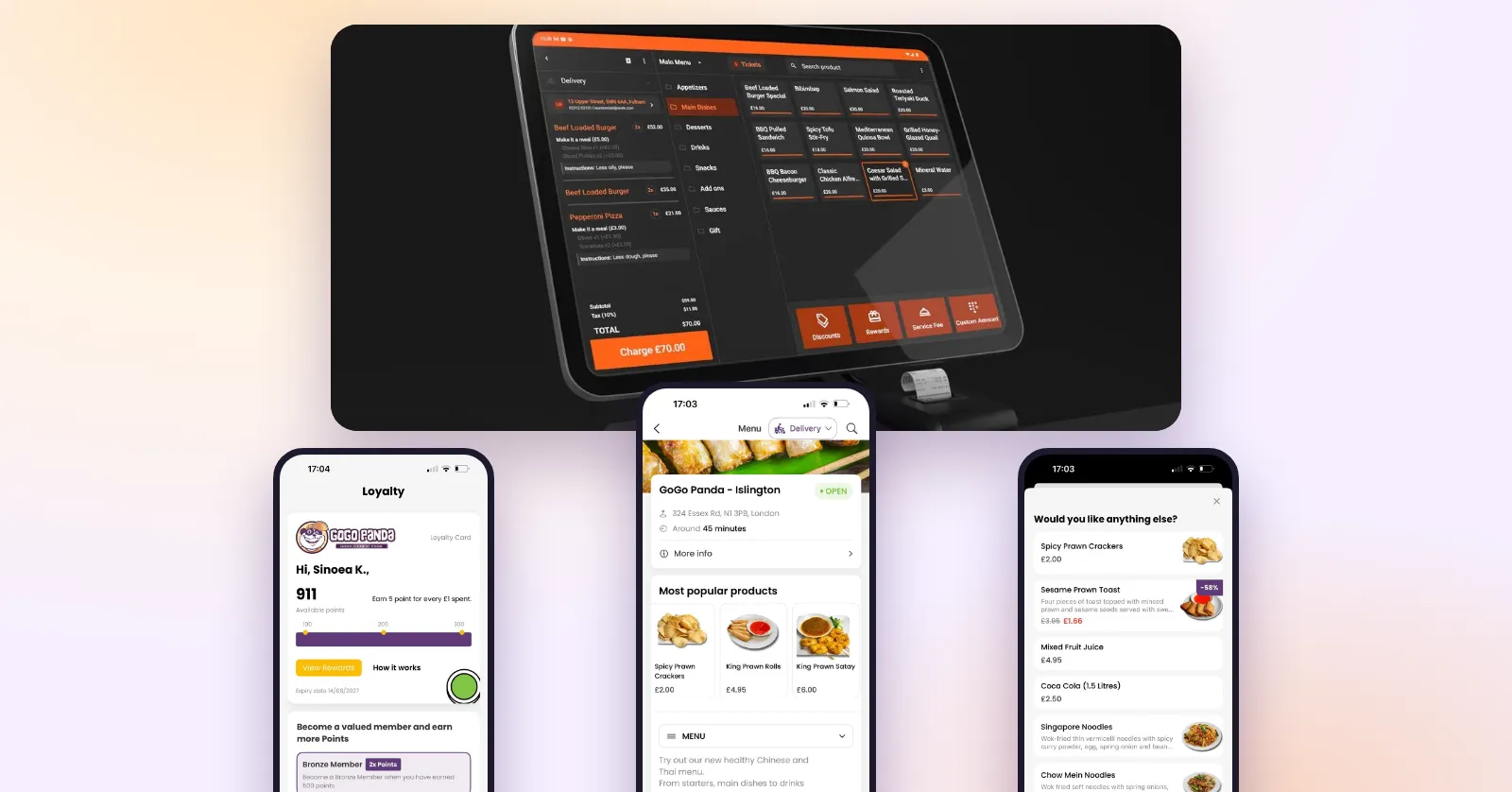
- Featured products in digital menus
Highlighting best-sellers or high-margin items to drive visibility and increase selection rates. - Contextual upsells during ordering
Suggesting relevant add-ons like drinks, sides, or upgrades at the right moment. - Checkout upselling (high-conversion point)
Displaying simple, one-click additions just before payment — one of the most effective ways to increase average order value.
From what we’re seeing across digital ordering systems, checkout upsells consistently deliver the strongest results. When customers are ready to pay, even a small, well-placed suggestion can significantly increase the total order.
Turning Data Into Revenue: Smarter Upselling
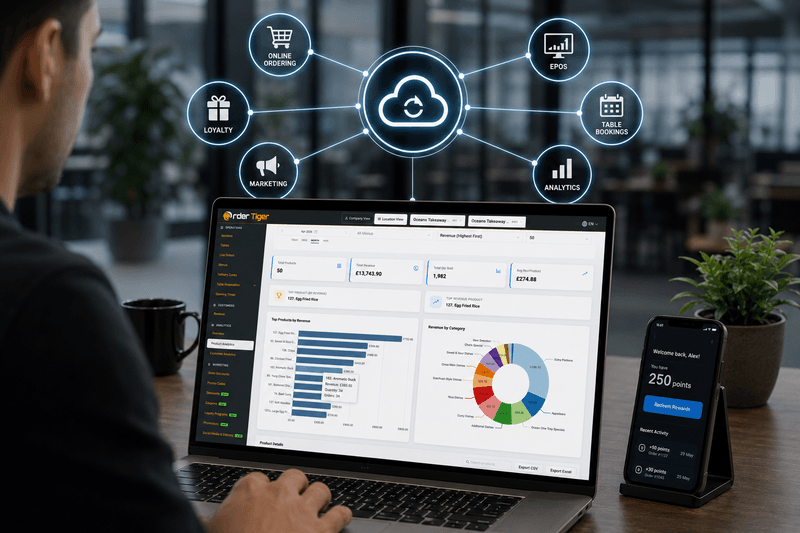
One of the biggest advantages of digital upselling is access to real product performance data.
Restaurants can now see:
- Which items generate the most revenue
- How often specific products are selected
- Which upsell combinations perform best
- Where customers drop off or skip suggestions
This level of insight allows restaurants to move beyond generic upselling and build a custom upsell marketing strategy tailored to their menu and customers.
Instead of guessing what might work, restaurants can:
- Feature high-performing products more prominently
- Improve visibility of underperforming items
- Optimize upsell timing and placement
- Continuously refine their strategy based on real data
This is where upselling becomes a true restaurant growth strategy, not just a tactic.
Learning from the Best
McDonald's redesigned its ordering journey through kiosks and mobile apps to naturally guide customers toward meal upgrades, add-ons, and combinations. The experience feels intuitive rather than forced, allowing customers to build a more complete order without friction — a key reason behind their increase in average order value.
In a similar way, Domino's has built a highly optimized digital ordering flow where each step introduces relevant suggestions. From sides to drinks to final checkout additions, the journey is structured to feel seamless, turning upselling into a natural part of completing the order rather than an extra step.

Then vs Now: A Clear Shift
Traditional UpsellingDigital UpsellingStaff-dependentSystem-drivenInconsistentStandardizedHard to measureData-drivenBased on intuitionBased on behaviorLimited timingOptimized timing
It’s Not About Replacing — It’s About Combining
It would be easy to say that digital upselling is better.
But the reality is more balanced.
Digital upselling is highly effective for online ordering, delivery, and takeaway, where automation and consistency drive results.
At the same time, in-store upselling remains incredibly valuable. Guests dining in still respond to human interaction — the recommendation from a waiter, the visual appeal of a menu, or the overall atmosphere. These moments create trust and influence decisions in a way that feels personal.
That’s why the most effective approach is not choosing one over the other, but combining both into a complete restaurant upselling strategy.

The Real Opportunity
The restaurants seeing the best results today are those that connect both worlds.
They use digital tools to optimize online ordering and increase efficiency, while continuing to invest in the in-person experience that makes dining memorable.
We help restaurants build exactly that — a tailored upsell marketing strategy based on real data. With detailed product analytics, you can understand how each item performs, how many sales it generates, and where the biggest opportunities are to increase order value.
From featured products to checkout upsells, every element can be tested, measured, and improved.
Are you already using upselling as part of your restaurant marketing strategy?
If not, it might be time to explore it.
Book a demo and see how a data-driven upsell strategy can work for your restaurant.
Frequently asked questions
What is upselling in a restaurant?
Upselling in a restaurant means encouraging a customer to choose a higher-value option, upgrade their order or add complementary items. Classic examples are offering fries with a burger, recommending a wine pairing or suggesting a large size. Done well, it feels natural, improves the experience and increases spend without needing new customers.
What are the most effective digital upselling strategies for restaurants?
Three digital techniques stand out: featuring best-sellers or high-margin items in your digital menu, suggesting relevant add-ons such as drinks, sides or upgrades during ordering, and showing simple one-click additions just before payment. Checkout upsells consistently deliver the strongest results, because customers who are ready to pay respond well to a small, well-placed suggestion.
Is digital upselling better than upselling by staff?
Not on its own. Digital upselling is highly effective for online ordering, delivery and takeaway, where automation and consistency drive results. In the restaurant, dine-in guests still respond to a waiter’s recommendation, an appealing menu and the atmosphere, which build trust. The most effective approach combines both into one complete restaurant upselling strategy.
How can data improve restaurant upselling?
Product data shows which items generate the most revenue, how often each is selected, which upsell combinations perform best and where customers skip suggestions. With that insight you can feature high performers more prominently, improve visibility for weaker items, optimise upsell timing and placement and keep refining your strategy based on real data rather than guesswork.
How does Order Tiger help restaurants upsell?
Order Tiger helps restaurants build a tailored upsell marketing strategy based on real data. Detailed product analytics show how each item performs, how many sales it generates and where the biggest opportunities to increase order value are. From featured products to checkout upsells, every element can be tested, measured and improved.