Restaurants can increase sales during the 2026 World Cup by preparing early with QR ordering, a focused match-day menu, low-cost promotions, table bookings and planned delivery. More customers do not automatically mean more revenue: without the right system, peaks turn into long queues, slow service and missed orders. The restaurants that win spread demand with pre-orders and bookings, keep the kitchen fast with a simpler menu and turn first-time match-day visitors into future regulars.
Key takeaways
- QR codes on every table let guests order and pay from their phone, with orders sent straight to the kitchen, removing queues at peak times.
- Push and email campaigns that invite pre-orders before kickoff and table bookings for big matches spread demand and avoid last-minute chaos.
- A dedicated World Cup menu of best-sellers, easy dishes, combos and group bundles helps customers decide faster and keeps the kitchen in control.
- Low-cost promotions such as double loyalty points, bring-a-friend rewards and a free starter with a booking drive visits without hurting margins.
- Offer new local visitors a free item on their first app order, and use guest checkout so tourists can buy without registering.
- Plan delivery early with campaigns that encourage home viewers to pre-order, so you control demand instead of being overloaded at kickoff.
The 2026 World Cup is coming — and it’s going to be big.
Not just in the US, Mexico, or Canada.
Globally.
For a few weeks, attention shifts. People gather.
They eat together, drink together — and spend more than usual.
For restaurants, bars, and food trucks, this is one of those moments where a few smart decisions can completely change the outcome.
Because more customers doesn’t always mean more revenue.
If your system can’t handle the pressure, it quickly turns into:
- long queues
- slow service
- missed orders
The restaurants that win are the ones that prepare early — and use the right tools to stay in control.
Here’s how.
1. Remove Friction with QR Ordering, Pre-Orders & Table Bookings
When demand spikes, the biggest problem isn’t getting customers — it’s serving them fast enough.
This is where QR table ordering becomes a game changer.
Place a QR code on every table and let customers:
- order directly from their phone
- pay instantly
- send orders straight to the kitchen
No waiting. No bottlenecks.
At the same time, you can reduce pressure before the game even starts.
Send a push or email campaign letting customers:
- pre-order their meals before kickoff
- book tables in advance for big matches
This spreads demand, keeps operations smoother, and avoids last-minute chaos.
2. Create a World Cup Menu That Works for You
During big events, complexity kills speed.
Instead of offering your full menu, create a dedicated World Cup menu with:
- your best-selling dishes
- easy-to-prepare items
- combos and meal deals
Think:
- burger + drink + fries
- beer + sharing platter
- group bundles
You can also promote this properly:
Run a campaign showing the menu in advance
Let customers explore what will be served
Offer 10% off for pre-orders or table bookings
This helps:
- customers decide faster
- kitchens prepare better
- teams stay in control

3. Run Smart Promotions (Without Killing Your Margins)
You don’t need heavy discounts to drive demand.
In fact, the best campaigns during events are usually low-cost and high-engagement.
Some ideas that work really well:
- Double loyalty points during important matches
- Bring a friend → both get a small discount or free item
- Free nachos or starter if you book a table in advance
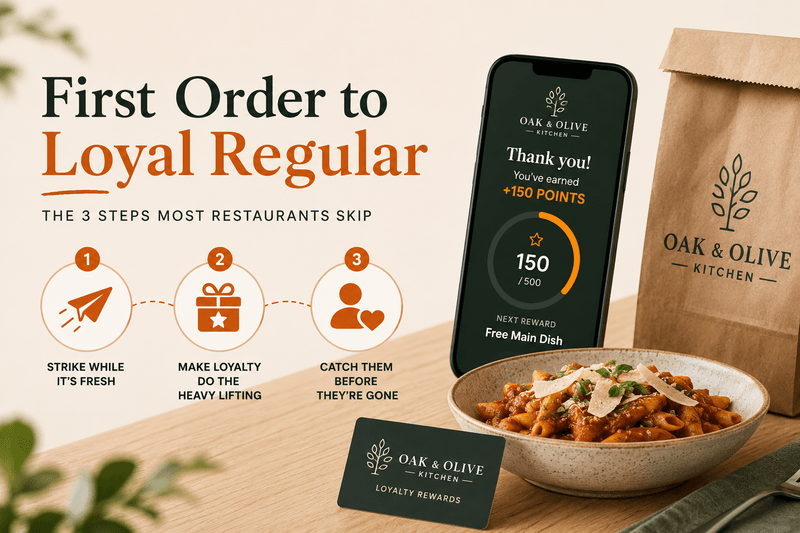
- Match-day rewards for repeat customers
These types of promotions:
- feel valuable to customers
- don’t heavily impact your margins
- encourage group bookings and repeat visits
The goal is simple:
Make the experience more engaging, not just cheaper.
4. Turn Match-Day Visitors Into Future Customers
During the World Cup, you’ll get a lot of new people.
Some will be locals trying your place for the first time.
Some will discover you through social media.
This is your moment to capture them.
For new visitors:
- run social media campaigns
- promote offers like “Order through our app and get a free item on your first order”
This pushes customers into your ecosystem.
For tourists, it’s different.
They might not come back — and that’s fine.
With guest checkout, you can still capture the sale without forcing registration or creating friction.
So you:
- don’t lose the order
- keep the experience smooth
- and focus loyalty efforts where it matters
5. Plan Delivery Before It Gets Busy
Not everyone will go out to watch the game.
A big part of demand will happen at home.
And if you’re not ready, delivery can quickly become a problem.
The smartest approach is to prepare in advance.
Run campaigns like:
- “Watching the game at home? Invite your friends and get delivery discounts”
- “Pre-order now to avoid delays on match day”
This helps you:
- control demand
- avoid last-minute overload
- deliver a better experience
Because during peak hours, predictability matters more than anything.

The World Cup doesn’t just bring more customers — it brings more pressure.
And without the right setup, it can quickly turn into chaos.
That’s why having the right technology behind your operations is key.
From ordering and payments to marketing and delivery, everything needs to work together — smoothly and consistently.
Otherwise, even a full restaurant can struggle.
We’re already seeing this with our restaurants in the UK during major Premier League matches.
The ones using structured setups — QR ordering, pre-orders, smart campaigns — are able to handle higher demand without losing control.
And for the World Cup, we’re already preparing marketing campaigns with our clients in advance, so they can take full advantage of the opportunity when it arrives.
Because when the games start, the demand is already there.
The real question is: will your system be ready for it?
Frequently asked questions
How can a restaurant prepare for the 2026 World Cup?
Prepare early and remove friction. Put QR codes on tables so guests can order and pay from their phone, invite customers to pre-order and book tables before big matches, build a simple World Cup menu of best-sellers and combos, and plan delivery campaigns in advance so peaks do not become long queues or missed orders.
What should be on a World Cup match-day menu?
Keep it short, because complexity kills speed during big events. Focus on your best-selling dishes, items that are easy to prepare, and combos or meal deals such as burger, drink and fries, beer with a sharing platter, or group bundles. Promote the menu in advance and consider 10% off for pre-orders or table bookings.
Which promotions work best for restaurants during football matches?
The best event promotions are low-cost and high-engagement rather than heavy discounts. Ideas that work well include double loyalty points during important matches, a small discount or free item for both people when a customer brings a friend, free nachos or a starter for booking a table in advance, and match-day rewards for repeat customers.
How do you turn World Cup visitors into regular customers?
Treat locals and tourists differently. For local first-time visitors, run social media campaigns and offers such as a free item on the first order through your app, which brings them into your own ordering channel. For tourists who may not return, guest checkout captures the sale without forcing registration, so you can focus loyalty efforts where they matter.
How does Order Tiger help restaurants handle match-day demand?
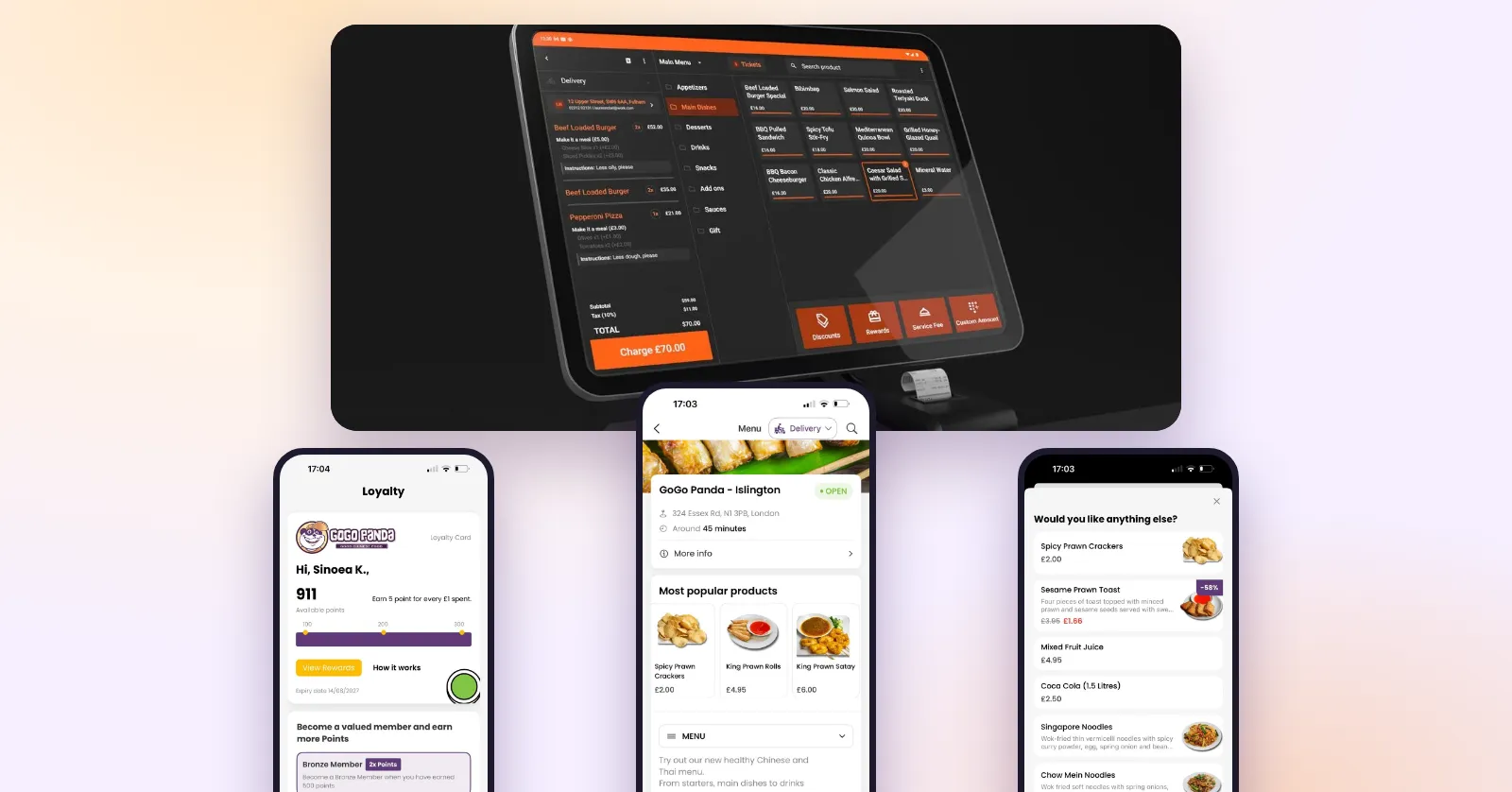
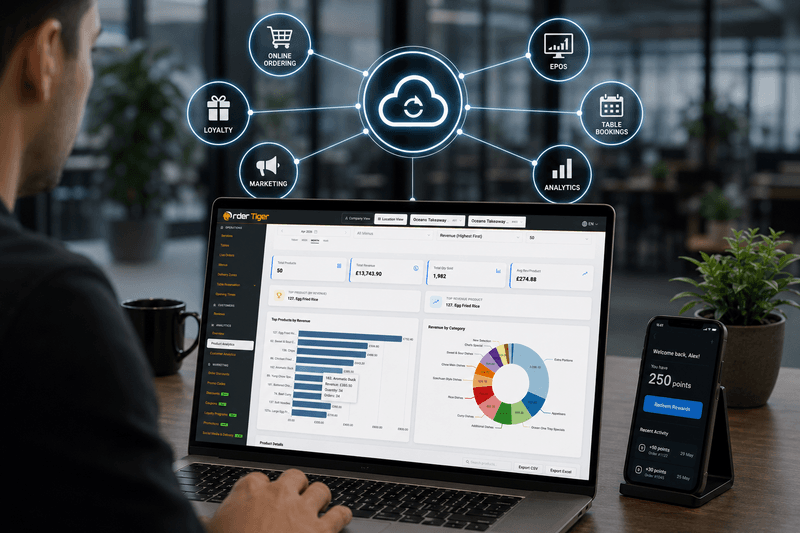
Order Tiger connects QR code table ordering, pre-ordering, table reservations, delivery, loyalty and marketing campaigns in one system. Its UK restaurants using structured setups with QR ordering, pre-orders and smart campaigns already handle higher demand during major Premier League matches without losing control, and Order Tiger prepares World Cup campaigns with clients in advance.